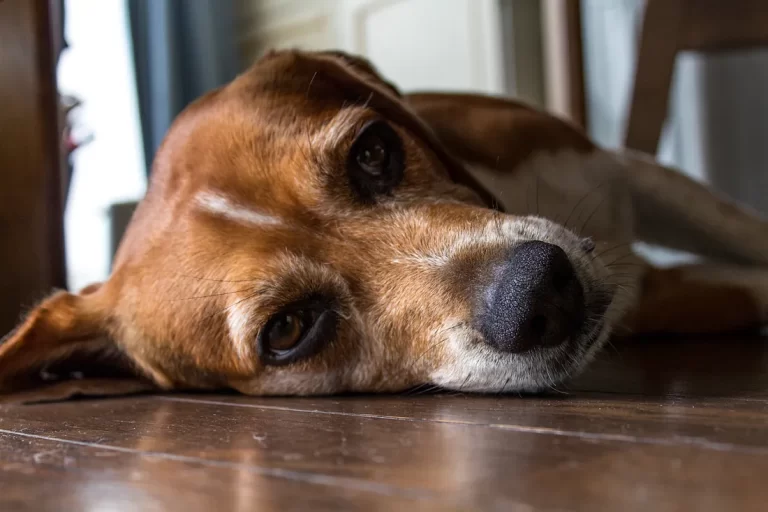
One of my older rats, Vivi, has died recently. I went to give her her medicine in the morning, and I found her dead in her cage. It wasn’t entirely unexpected – she had a pituitary tumor, and the vet said that if the meds didn’t work, she would have only a few weeks. But it seemed the meds were working. And I stupidly believed that even if they didn’t, I would get those several weeks, so when she passed shortly after, I was still caught unaware.
I wanted to cry, but I couldn’t. Instead, I was just holding her tiny furry body in my hand for most of the day, until we buried her beside her sister Rose and my soulmate Daisy.
I wanted to feel everything. And if I couldn’t, I wanted at least to feel something, because not feeling the grief felt like betraying her. And it wasn’t like the grief wasn’t there, I could feel it moving just beyond the surface, but I could feel it only in glimpses of one or two seconds before the surface closed, and I was left with the feeling that my chest was stuffed full of wool and my feelings were hidden behind it.
The Guilt Came Before the Grief
Maybe the worst of it wasn’t that I was so unprepared. It was crushing guilt and regret. When she died, I was at my dad’s place for several days, and when I’m at my dad’s place, I don’t interact with the ratties so much because I’m not allowed to take them out of their room. So I haven’t spent much time with my sweet Vivi during her last days.
And even worse, the change of place depleted my executive function, so I didn’t have enough willpower left to give her her tablespoon of fatty cottage cheese every day. The cottage cheese was down two flights of stairs in the fridge, and the rat cage was upstairs in the loft, and feeding her was a task for 30 minutes and adorable, but also very boring, and I just…dropped the ball. I deeply regret it.
One of the symptoms of a pituitary tumor is overgrown teeth. Vivi’s teeth were growing crooked, and I went to the vet to have them trimmed every ten days so that she could eat. But when I was at my dad’s house, her teeth were already long, and she must have had problems eating. I’m crushed by guilt because of it. When my sweet Rosie died, I made a resolution to do all of the things right the next time, and here I was, failing even worse.
But maybe, just maybe, the problem wasn’t entirely with me. Maybe the problem was the resolution.
The Promise I Made When I Was Twelve
When I was 12, my grandpa suddenly and tragically died in a car crash. I remember the feeling when I got the news: it was like lightning struck me and cleaved me in two. And it wasn’t entirely metaphorical. One piece of myself is forever stuck in the times before that moment, when life was good, when life was safe, when the pain of suddenly losing someone you loved couldn’t reach you. Before all of my life was divided into Before and After.
This event was the trigger for my mental illness getting worse to the point that it couldn’t be ignored anymore. I stopped eating. I started running. I started hurting myself and not wearing enough clothes to protect me from the cold. Looking back now, the strongest feeling I remember is the cold. Dying is cold. Who would have known?
When they finally put me into a hospital bed, the nurse told my reluctant parents: “If you don’t leave her here, she could die tonight.” I was at the end of my strength. I couldn’t walk more than a few steps and felt as if my body had simply run out of fuel.
I Tried to Make Sure It Could Never Happen Again
Eventually, I recovered enough to be released from the hospital. But I made a resolution: Never again will I have a reason to regret that I wasn’t 100% present with someone whose death would leave me with regret.
Being twelve, I didn’t realize that with this resolution, I had doomed myself. I condemned myself to feel regret every time someone died because being 100% present simply isn’t possible when you have a human brain. Maybe some Zen Buddhist monk could do it, I don’t know. But maybe it would be even beyond him.
The point is that I was holding myself to an impossible standard. I have set myself up for failure. So every time I lost someone, the grief was made worse by a persistent feeling of guilt and regret because there was always some moment I could remember when I could have been more present, but I wasn’t.
There Was Always One Moment I Could Blame Myself For
When my dog died, I remembered that time I heard him breathing under my bed and felt such a closeness with him. But I listened to his breathing just for a while and then put on my headphones and went to watch a series. He got his cancer diagnosis shortly after.
The night before Daisy died, I had washed her, and she was so fluffy and light. I was holding her in my hand as I was reading a book, and I was switching my attention between her and the book. I wanted to be present with her and enjoy her soft fur, but the book was so gripping that it kept snagging my attention. The next evening she died, and I couldn’t cuddle her anymore. I have never forgiven myself for that. And I have never finished that book.
But even if I didn’t pay enough attention to Vivi in her last days, I remember her last evening. She climbed on my shoulders and puttered around, and I stood there with her and just perceived her. And I felt such tenderness towards her.
I’m so glad I have this moment.
My therapist helped me to deconstruct my guilt for not taking care of her well enough. She pointed out that she was lively and running around. She reminded me that I offered her the yogurt her sister Lily is taking her meds in, and she refused it, so she wasn’t starving. She told me that beings generally ate less when their death was approaching. And judging from how energetic Vivi was, she said that the cottage cheese was probably a nice-to-have rather than a must-have. And, most of all, she asked if Vivi would want me to feel so guilty. And I know that she wouldn’t.
What If Guilt Could Become Something Else?
Still, it is hard to forgive myself. I find myself overcompensating by researching care for elderly rats down to the tiniest detail, consulting it with several AIs because I don’t want to miss a thing with my last old lady. And, of course, consulting all my findings with my vet.
And because I was so laser-focused on Lily, I discovered signs of a pituitary tumor in her too. She has been dragging her hind legs behind her for quite some time, and the vet said it’s probably just neural degeneration caused by old age, but I came across a post on Facebook where a lady was saying that her rat dragging her hind legs was how her pituitary tumor was diagnosed. And Lily has been so jumpy lately, she starts when I approach her, which I attributed to her senses worsening, but lately, she started jerking more and for seemingly no reason. Which may or may not be a symptom as well.
So I contacted the specialist vet again. The pituitary tumor can be diagnosed only by specialized ultrasonography, and most vets don’t know how to do it, but when I was looking for care for Vivi, someone recommended this specialist who could do it. So we have an appointment a week later, and today I’m going to my vet to discuss medication for her right away because with this type of tumors, every day counts.
I wouldn’t have had this knowledge before. I wouldn’t have known the signs before. I wouldn’t be paying such close attention.
May it be that the death of Vivi was what made saving Lily possible?
Maybe the Promise Was the Problem All Along
I don’t know. But what I do know is that I need to let go of this notion that being 100% present with someone is something that is possible.
Vivi would want me to remember her with love and joy. She wouldn’t want my memories of her to be tainted by crushing guilt. Yes, I made mistakes. Mistakes that I hope I won’t repeat. But, having an AuDHD brain, it is entirely possible that no matter how many safeguards I think of, I may find myself facing the exact kind of failure again. That’s not an excuse. That’s a realistic estimation. One I will do all that is in my power to avoid next time. At least I hope I will fail better.
Maybe it is time to come to terms with the fact that human beings make mistakes, that it’s simply a part of the human condition, while simultaneously trying to set things up so that I would make fewer of those mistakes where it counts.
Maybe it’s time to realize no one can be fully present all the time lest they burn out. No one can live every single moment with another being to the fullest. We need time when we withdraw into ourselves or pay attention to something else too, and it is natural.
So maybe the promise I made when I was twelve needs to change.
Not: I will never give myself a reason to regret anything when someone I love dies.
But: I will love them as well as I can while they are here. I will try to notice what matters. I will learn from the things I get wrong. And when they are gone, I will not turn every imperfect moment into evidence that I failed them.
Vivi had cottage cheese I sometimes forgot to bring upstairs. She had teeth I wish I had gotten trimmed sooner. She also had medicine, warm hammocks, sisters, treats, shoulders to climb on, and a person who loved the ridiculous little shape of her more than she could possibly understand.
And on her last evening, she climbed onto my shoulder.
I stood there with her and, for once, I wasn’t thinking about what I should be doing differently.
I was simply happy she was there.
Maybe that is enough.
If this resonated with you…
I write personal essays about AuDHD, mental health, grief, identity, and figuring out how to live a life that feels like your own.
If you’d like to keep reading, you can join my newsletter and get new essays straight to your inbox.
New subscribers also get a free copy of my AuDHD Survival Guide.


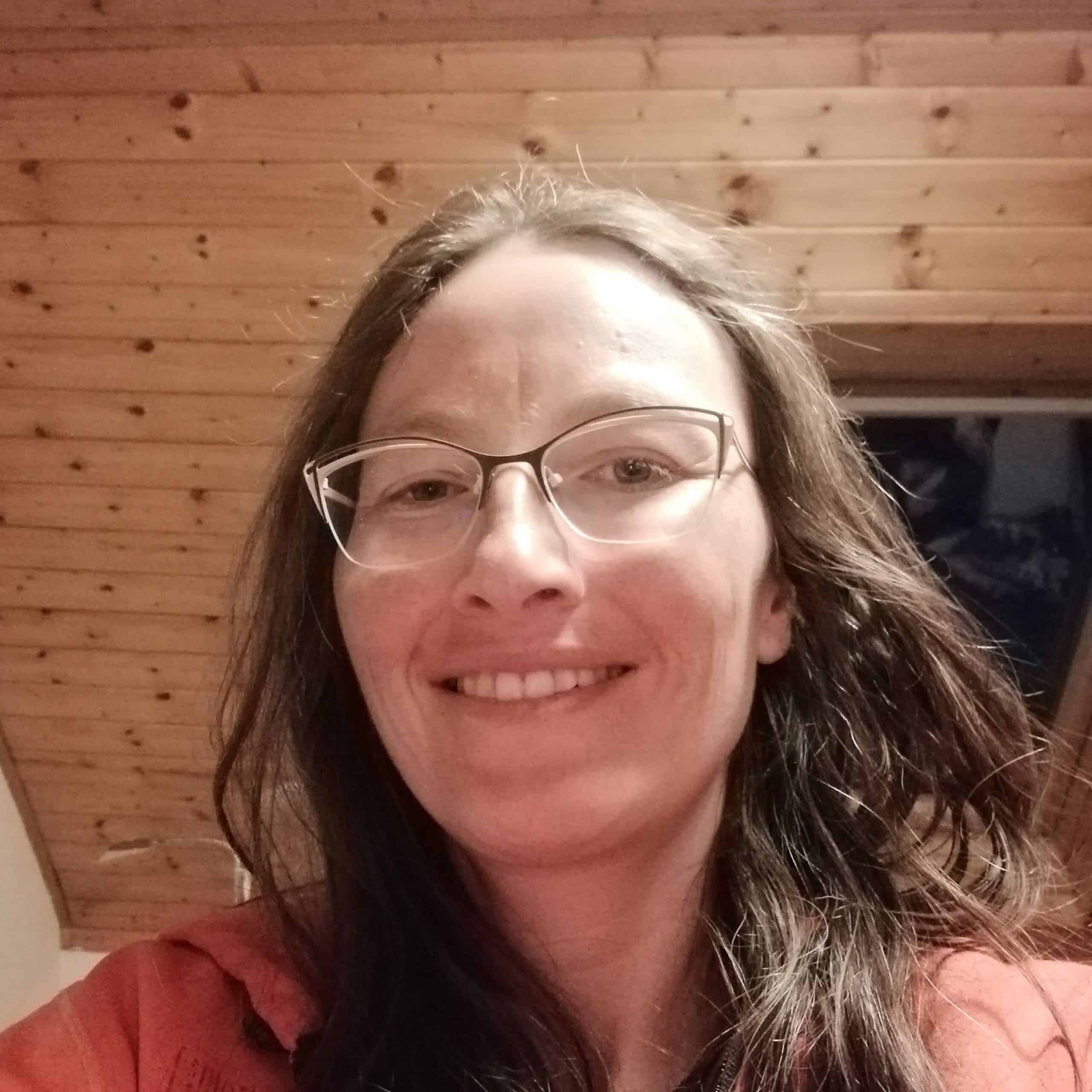
Helen Olivier is a neurodivergent writer, AuDHD explorer, and professional overthinker with 40+ years of lived experience in the wonderfully weird world of ADHD + autism. She writes for people who’ve been told they’re “too much” or “not enough,” offering comfort, clarity, and the occasional executive dysfunction survival hack. Her blog is her way of turning daily chaos into useful insights for other neurodivergent folks.