Calmer vs Loop: Two Tiny Neurodivergent Earplugs That Will Give You a Calmer, Quieter, More Manageable Day
If you’re neurodivergent and sensitive to sounds, everyday environments can often feel overwhelming: voices, background…

If you’re neurodivergent and sensitive to sounds, everyday environments can often feel overwhelming: voices, background…

When most people think of ADHD treatments, they imagine medication, therapy, or lifestyle changes, not glasses. But for some, visual issues may be quietly fueling their struggles with attention, focus, and even hyperactivity. That’s where so-called “ADHD glasses” come in. These specialized lenses aren’t a cure, but they can make a surprising difference—especially if eye strain, visual misalignment, or overstimulation are part of the picture. From blue-light blockers to Prism lenses, let’s take a closer look at how these glasses work and whether they’re worth considering for your ADHD toolkit.

AuDHD makes food difficult. When it comes to ADHD food needs, ADHD craves novelty every time, while autism demands the comfort of the safe few familiar meals. ADHD makes it hard to remember to eat – you may lose yourself in hyperfocus, and time blindness lets meal times slip away unnoticed. Autism creates sensory difficulties. Sometimes we are hungry but none of the food seems appealing, so we simply don’t eat. These ADHD food struggles make ADHD symptoms worse, which makes for even more missed meals. Oh, and are you often hangry, too?
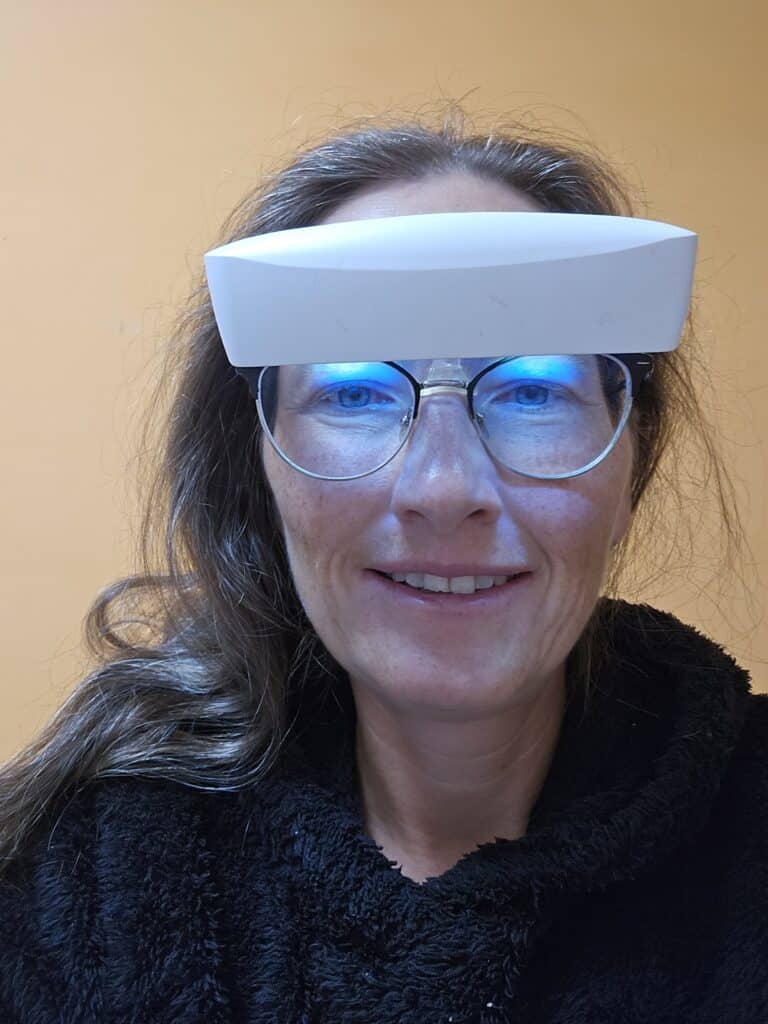
I’ve been experimenting with different ways to support my energy, focus, and mood, because let’s be real, living with an AuDHD brain can sometimes feel like riding a rollercoaster that forgot how brakes work. One tool I’ve been using for a while is light therapy, and I’ve had the Luminette light therapy glasses for some time now. Here’s my honest Luminette review.
Luminette glasses are basically wearable light therapy devices. Instead of sitting in front of a big, blinding lamp every morning, you just pop these glasses on and go about your usual routine. They shine a soft, blue-enriched white light into your eyes from above, mimicking natural daylight.
The idea is to help regulate your circadian rhythm (a.k.a. your internal clock) and boost serotonin, which can improve energy, mood, and sleep. They’re often recommended for seasonal affective disorder (SAD), jet lag, or just general sluggishness.

For most people, taking a shower is such a normal part of daily life that it hardly gets a second thought. But if you’re autistic, ADHD, or both (AuDHD), showering can feel like climbing a mountain. Maybe you put it off for days, maybe you dread it, or maybe you push through but feel completely drained afterward.
This isn’t about laziness or a lack of concern for hygiene. It’s about the very real sensory, executive function, and emotional challenges that come with being neurodivergent. The sound of rushing water, the feel of soap, the endless steps to remember… it can all add up to something overwhelming. And yet, because this struggle is rarely talked about, many of us end up feeling ashamed or “broken” for finding showering so hard.

If you’ve ever gone through the long, stressful, expensive ADHD diagnostic process (or tried to get your child assessed), you know how exhausting it can be. Waiting lists. Endless questionnaires. Interviews. Conflicting opinions. The overwhelming feeling of “Do I really have it, or am I just bad at life?” Now imagine if one day, all it took was a photo of your eye. Sounds like sci-fi? Maybe. But it’s also real science—and it’s happening right now.
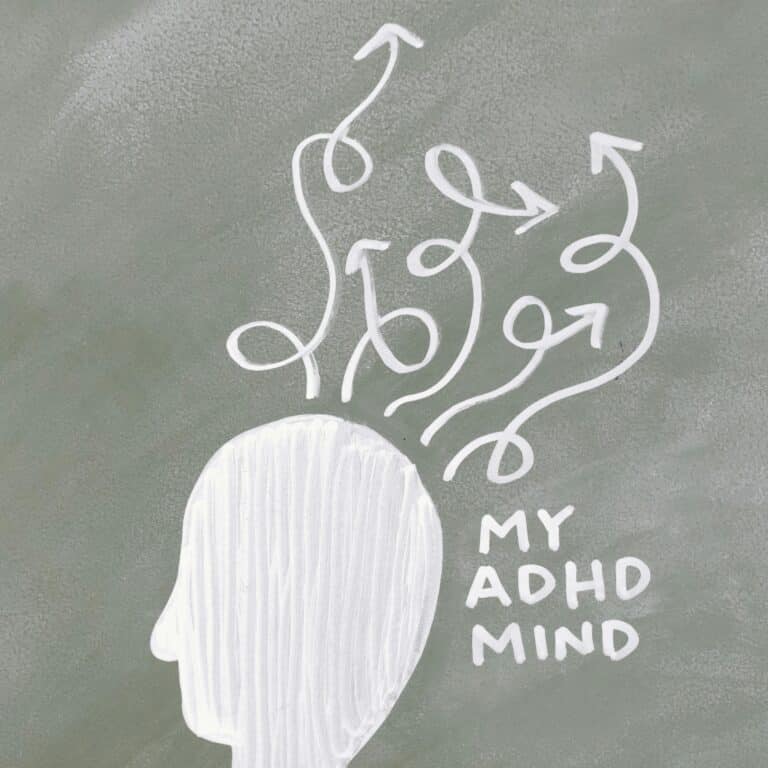
A while ago, I wrote a blog post titled What I Want My Mum to Know About Autism, and it ended up being one of my most-read articles. In it, I tried to give voice to my struggles and my needs, tried to explain the differences. From the beginning, I intended to do something similar for ADHD. I get ADHD from my mother’s side, and she doesn’t understand my autistic side, while the autism I inherited from my dad’s side, and he needs a bit of help with understanding and explaining ADHD. This blog post is not only for my parents, but for every reader who needs the words to explain themselves to their loved ones. You can borrow this blog post to help your family and friends understand and explain ADHD a bit better. So, here goes:

Eating sounds so simple, right? But for us with AuDHD, it can be anything but. ADHD food struggles are real, and they’re more common than you may think. Shopping ingredients, planning meals, deciding what to cook, remembering to eat… This all may seem overwhelming, and you may find it difficult.
It is pretty common to feel guilt or shame around food when you have an AuDHD brain. Maybe you’ve skipped meals without noticing, lived off snacks for days, or cycled between forgetting to eat and bingeing whatever’s available. Maybe you eat too little or too much. For brains wired for unpredictability, consistent nourishment can feel out of reach. It’s not failure; it’s just part of your wiring.

If you’ve ever found yourself staring at the ceiling at 3 a.m., completely exhausted but inexplicably wide awake, you’re not alone—especially if you’re neurodivergent. Sleep problems are incredibly common in neurodivergent communities, with studies showing that up to 80% of autistic people and around 75% of those with ADHD struggle with falling or staying asleep. And if you happen to be both autistic and have ADHD (hi, hello, solidarity!), then you might know all too well what I like to call the “neurodivergent sleep disaster cocktail”—a potent mix of racing thoughts, sensory issues, hyperfocus, and a body that refuses to wind down when it’s supposed to.

ADHD and money? That is a recipe for disaster. ADHD means impulsive financial decisions, rash judgments, and ADHD tax. (Oh, the ADHD tax!) You may feel in over your head when it comes to finances. It’s chaos! There is always too much of the month left at the end of the money! Luckily, you can call on your autistic side to help.
(But first, to my American readers: Being from Europe, I don’t know the first thing about credit, sorry. No advice from me on this front. But I know a thing or two about budgeting, and that’s what we are going to talk about today.)
Now it’s time for your autistic side to shine. Spreadsheets! Planning!