I’ve been experimenting with different ways to support my energy, focus, and mood, because let’s be real, living with an AuDHD brain can sometimes feel like riding a rollercoaster. One tool I’ve been using for a while is light therapy, and I’ve had the Luminette light therapy glasses for some time now. Here’s my honest Luminette review.
This article contains an affiliate link for the Luminette glasses and Beurer daylight therapy lamp, which I both use and genuinely recommend based on my own experience. Thank you for your support!
This blog is based on personal experience and is not medical advice. Always consult a qualified healthcare professional before making changes to your health, treatment, or medications.
What Are Luminette Glasses?
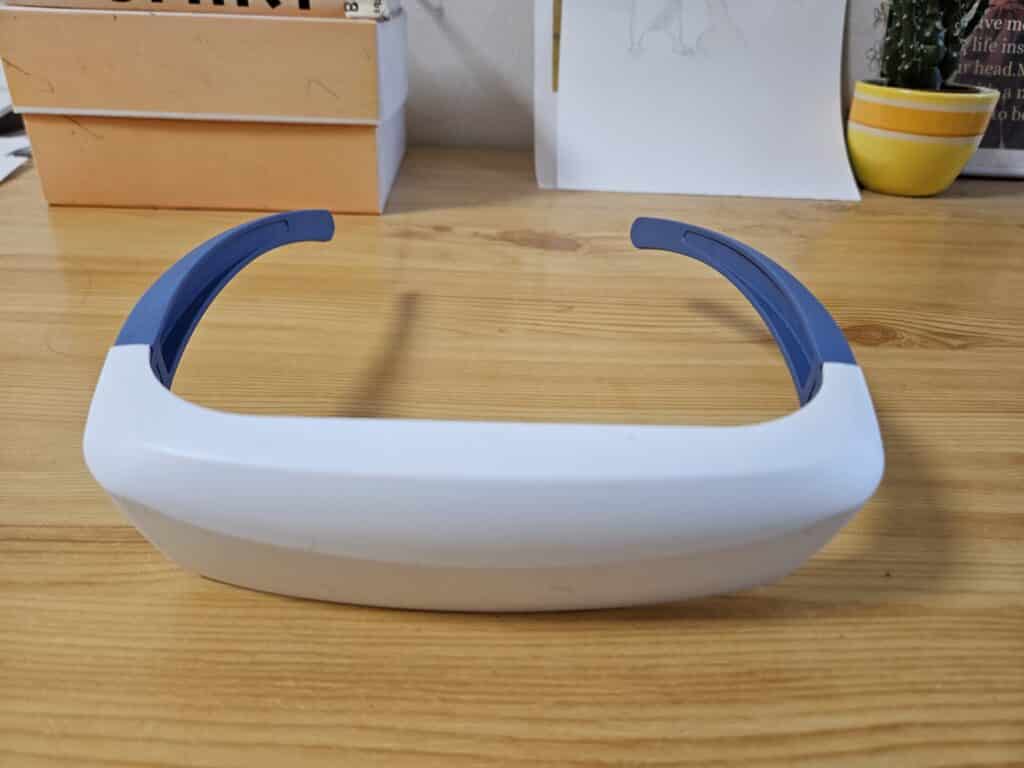
Luminette glasses are basically wearable light therapy devices. Instead of sitting in front of a big, blinding lamp every morning, you just put these glasses on and go about your usual routine. They shine a soft, blue-enriched white light into your eyes from above, mimicking natural daylight.
The idea is to help regulate your circadian rhythm (internal clock) and boost serotonin, which can improve energy, mood, and sleep. They’re often recommended for seasonal affective disorder (SAD), jet lag, or just general sluggishness.
I’ve found that it’s quite easy to move around while wearing my Luminette glasses when I’m in a brightly lit room. But in a darker room, I get disoriented and need to sit down and stay put. Still, the freedom of movement they grant me is great for my ADHD brain, which gets bored sitting in front of a daylight lamp for a set time.
For the best results, I actually combine the Luminette glasses with a daylight therapy lamp. I use a Beurer lamp (an older model) while drinking my morning tea and put on the Luminette when I need to go about my daily routine.
AuDHD and light therapy
Neurodivergent people often struggle with sleeping. We suffer from Delayed sleep phase syndrome (1) because melatonin, the hormone that helps the body fall asleep, is released later in the day (2) in our brains than for neurotypical people. Also, for some people with ADHD, cortisol release is also delayed (3), which makes waking up in the mornings more difficult. Bright light therapy can help reset your internal (4) clock, support earlier melatonin release, and make mornings feel a little less impossible.
My Experience: Luminette Review in Practice
When I first put them on, I’ll be honest—I felt a bit like a sci-fi character preparing for a space mission. They look futuristic, but not in a “people are staring at me on the bus” way. More like, “okay, I’m wearing something high-tech that might hack my brain.”
I quickly noticed that they gave me a slight boost to my motivation, which usually bottoms out during the winter months. The effect felt a bit stronger than what I get from using my Beurer lightbox. For me, though, they didn’t do much for mood. I’m still grumpy and mopey once the dark season hits. That said, everyone’s brain reacts differently, and for some people, light therapy does noticeably lift mood.
What I Liked
- Hands-free: I could scroll, read, write, or even make breakfast while wearing them. Unlike with a traditional light box, I didn’t feel glued to one spot.
- Gentle light: I was worried the light would feel harsh, but it was surprisingly comfortable. My eyes adjusted quickly.
- Boost in alertness: After about a week of consistent use in the mornings, I noticed I felt more awake and motivated earlier in the day. Normally, it takes me several cups of strong tea and some serious pep talks to feel functional.
- Portable: They come with a case, and since they’re lightweight, I could see them being great for travel. One of their uses is fighting jet lag, but I haven’t tried that yet.
What Wasn’t Perfect
- Price: They’re definitely an investment. This isn’t a $30 gadget you grab on a whim. (I was so hesitant about getting them that my then-boyfriend had to make the decision for me.)
- Battery life: If you forget to charge them, you’re out of luck until they power back up, unlike a stationary light box that just plugs in.
- Annoying charging lights: They blink while charging, which can be disruptive if you’re charging them at night.
Who Might Benefit from Luminette Glasses
I think Luminette glasses could be especially helpful if:
- You struggle with winter depression or low energy during the dark months.
- You have time blindness or irregular sleep patterns
- You want a hands-free alternative to a light box.
- You travel across time zones and need to reset your sleep schedule.
Final Thoughts: My Luminette Glasses Review
For me, the Luminette glasses aren’t a miracle cure, but they’re a really solid tool. They give me a boost in motivation and help me feel a little more switched on in the mornings. I wouldn’t say they replace good sleep hygiene or other supports (like movement, nutrition, or therapy), but they’re a great addition to my toolbox.
If mornings feel impossible, or you’re battling low light and low energy, Luminette glasses might be worth trying—especially if you prefer something practical and hands-free. Just keep in mind: the benefits build with consistent use.
Buy Luminette glasses
Do you want to try the Luminette glasses? Get them here!
That’s my Luminette glasses review. Have you ever tried light therapy (glasses or lamps)? I’d love to hear your experience!
Are you searching for neurodivergent tools?
Check out also my blog post about ADHD glasses and my review of the Calmer vs Loop earplugs.
Did you find this blog post useful? Support Not Broken and get it (and my other ebooks) at a special price!
Not Broken: Working With Your AuDHD Brain is an ebook packed with practical AuDHD-friendly tips and lifehacks, all collected in one place to make everyday life a little easier.
My Indiegogo campaign is now live! By backing it, you can help me cover the professional proofreading of Not Broken and get the book, or bundles of my ebooks and courses, at prices I don’t plan to offer again.

Sources:
(1) https://www.mayoclinic.org/diseases-conditions/delayed-sleep-phase/symptoms-causes/syc-20353340
(2) https://www.sciencedirect.com/science/article/abs/pii/S0149763409001833
(3) https://pmc.ncbi.nlm.nih.gov/articles/PMC6487490/
(4) https://pmc.ncbi.nlm.nih.gov/articles/PMC6751071/



Helen Olivier is a neurodivergent writer, AuDHD explorer, and professional overthinker with 40+ years of lived experience in the wonderfully weird world of ADHD + autism. She writes for people who’ve been told they’re “too much” or “not enough,” offering comfort, clarity, and the occasional executive dysfunction survival hack. Her blog is her way of turning daily chaos into useful insights for other neurodivergent folks.