9 Weird AuDHD Life Hacks That Actually Make Everyday Life Easier
Some of the things that make my AuDHD life easier probably look a little ridiculous…

Some of the things that make my AuDHD life easier probably look a little ridiculous…
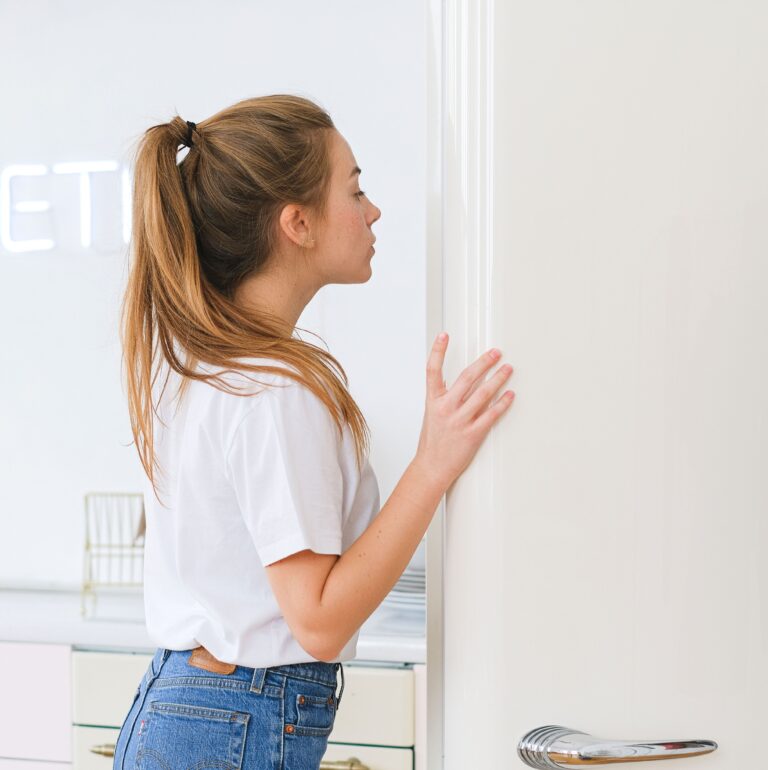
You are probably familiar with this situation: you decide to live healthier, you buy vegetables…

Grocery shopping sounds simple enough: notice what you need, put it on a list, buy…
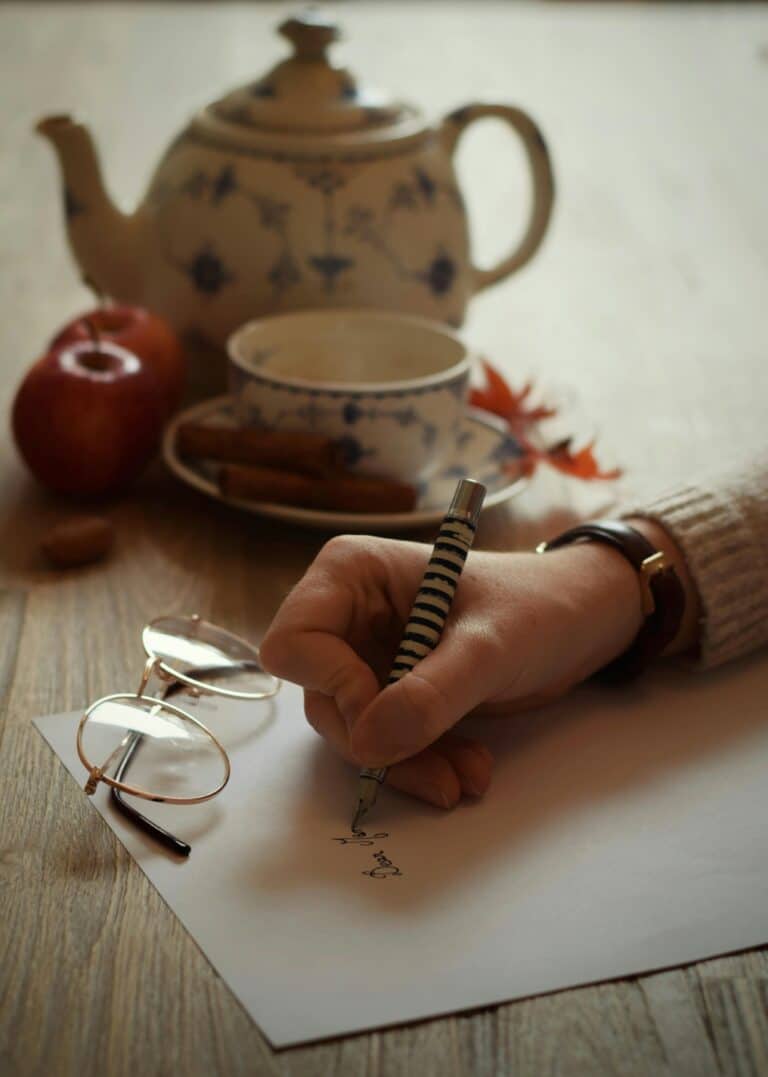
A long time ago, a women’s pen-pal group popped up in my Facebook suggestions. I…

I have been meaning to write a separate blog post about benzodiazepine post-acute withdrawal syndrome….

One of my older rats, Vivi, has died recently. I went to give her her…

I remember vividly that in the depths of my addiction, my father was accompanying me…

Perhaps you have heard the story about the lady who came on board the tram…

I was standing in the middle of Champs Elysées, thinking, “What am I doing here?” It was a tropical day and the crowds of passer-byes were becoming oppressive. I was thirsty. My chronic pain flared up. And, the worst of it all: I was discovering that Paris was a city, not a dream. There were buildings, and shops, and people, and a road full of car traffic, just like everywhere else… even if at the end of the road stood the Arc de Triomphe. I somehow never imagined cars on Champs Elysées. When I was dreaming of Paris, I never imagined any of this.
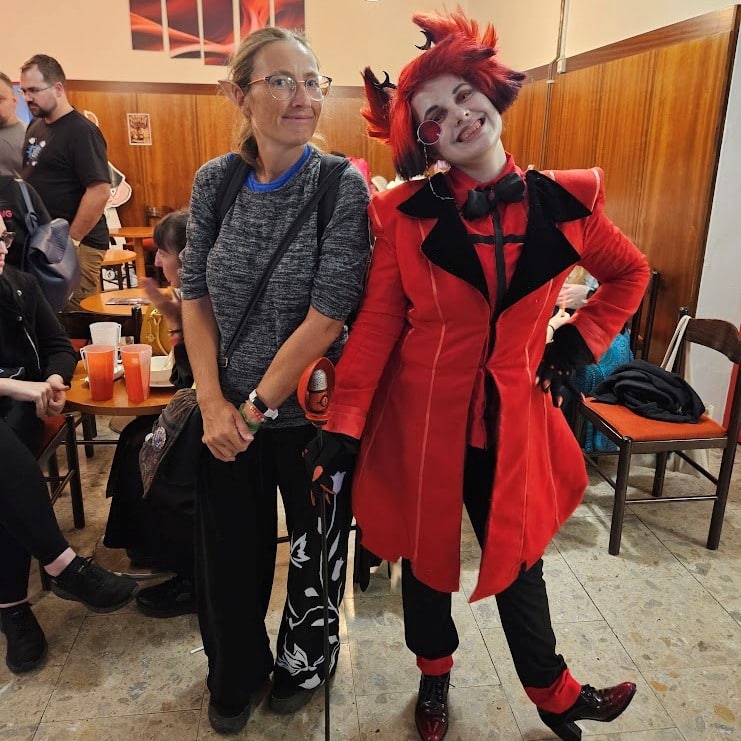
I no longer have the same recurring dream that I had for a long time,…