ADHD meal planning: a smiling Black woman eating cereal and strawberries from a bowl

ADHD Meal Planning: 7 AuDHD-Friendly Ways to Make It Easier

Eating sounds so simple, right? But for us with AuDHD, it can be anything but. ADHD food struggles are real, and they’re more common than you may think. Shopping ingredients, planning meals, deciding what to cook, remembering to eat… This all may seem overwhelming, and you may find it difficult.

It is pretty common to feel guilt or shame around food when you have an AuDHD brain. Maybe you’ve skipped meals without noticing, lived off snacks for days, or cycled between forgetting to eat and bingeing whatever’s available. Maybe you eat too little or too much. For brains wired for unpredictability, consistent nourishment can feel out of reach. It’s not failure; it’s just part of your wiring.

ADHD and money: a a smiling woman with a fan of dollar bolls spread in front of her face

Autism, ADHD and Money: 7 AuDHD-Friendly Ways to Manage Your Finances

ADHD and money? That is a recipe for disaster. ADHD means impulsive financial decisions, rash judgments, and ADHD tax. (Oh, the ADHD tax!) You may feel in over your head when it comes to finances. It’s chaos! There is always too much of the month left at the end of the money! Luckily, you can call on your autistic side to help.

(But first, to my American readers: Being from Europe, I don’t know the first thing about credit, sorry. No advice from me on this front. But I know a thing or two about budgeting, and that’s what we are going to talk about today.)

Now it’s time for your autistic side to shine. Spreadsheets! Planning!

Autistic pride day symbol: a rainbow infinity sign

Getting Diagnosed on Autistic Pride Day Felt Like Coming Home

I was diagnosed with autism and ADHD on June 18th. I was half expecting the former — it’s the result of several years of very intense soul-searching and contemplating and two years of waiting for a very thorough evaluation. The latter was a complete surprise to me.

When I thought about it before, I thought I would cry about it. I thought I was going to think of it as a big deal. I battled mental illness for my whole life. But this is not “just” an illness anymore, it’s a disability. I would be a disabled person.

This uncomfortable feeling has been fermenting in my head for years, growing in size. For years I have told myself one moment that I was clearly autistic, the next that I clearly couldn’t be, and I freaked out.

A photo of a young woman with hands bound in chains, representing ADHD and addiction.

ADHD and Addiction—Exploring the Link

Addiction is an extremely difficult topic for me, and yet, so important to talk about.

People with ADHD are at much higher risk of addiction than the neurotypical population. 50% of adults with ADHD have a history of substance abuse at some point in their lives, compared to 25% of neurotypicals. A whopping half of adults with ADHD have struggled, struggle, or will struggle with substance abuse.

But one thing can help prevent this.

Autistic coping strategies: A woman hugging a pillow with eyes closed

Autistic Coping Strategies: How I’m Preparing for a Stressful Appointment

I’m preparing to change my general practitioner. There is a new doctor’s office that has recently opened right across the street, and the reviews are stellar. My old GP is half an hour away by tram, and the commute is stressful for me, so it would be really, really convenient to have a doctor right where I live. But I’m afraid. I’m scared of new things, and I’m scared of doctors after some bad experiences. My mind is full of second-guessing. What if I change doctors, and then I find the new one is actually horrible, and I can’t go back to my old one? What if the new doctor wants me to go to some grueling examination? What if she is angry with me because I’m not capable of that right now?

A woman staring thoughtfully through a glass. The glass shows her reflection.

Bottom-Up Thinking in ADHD and Autism: Why Your Brain Processes Things Differently

Some time ago, I saw a Facebook post that asked about the difference between deductive (top-down) and inductive (bottom-up) thinking. Being the curious person that I am, I Googled it – and my mind was blown. Inductive thinking described all the quirks of my learning and creative process, all the ways in which I felt different without being able to explain why. It turns out that neurodivergent people are naturally bottom-up processors, while neurotypicals are top-down thinkers. OMG, where has this information been all my life? 

An assortment of easy-to-prepare foods like cheese, grapes or honey.

50 Easy No-Cook Meals for ADHD and Executive Dysfunction Days

Are you struggling with the time or energy to cook? Whether you’re looking for quick snacks, light meals, or something to tide you over between meetings, we’ve all been there. Luckily, being hungry doesn’t mean you have to spend hours in the kitchen! In this post, I have gathered 50 super easy, no-cook meal options – half vegetarian and half non-vegetarian – that you can prepare in minutes with minimal effort. These ideas are perfect for busy days, meal prepping, or just when you want to keep things light and fresh. From wraps to salads to sweet treats, there’s something here for every craving. So, let’s skip the stove and get straight to the good stuff. 

A photo of a woman drinking water from a glass.

ADHD, Autism, and Hydration Struggles: How to Actually Drink More Water

If you are neurodivergent, you may struggle with getting hydrated. Autistic people often have problems with drinking plain water, while people with ADHD can forget to drink enough. Whether you need tips to make drinking water more sensory-friendly, reminders to keep hydration on your radar, or creative alternatives to traditional water, this blog post is here to help. You’ll find here practical strategies designed with neurodivergent needs in mind, from flavor hacks to clever routines. Ready to make staying hydrated easier? Let’s dive in!

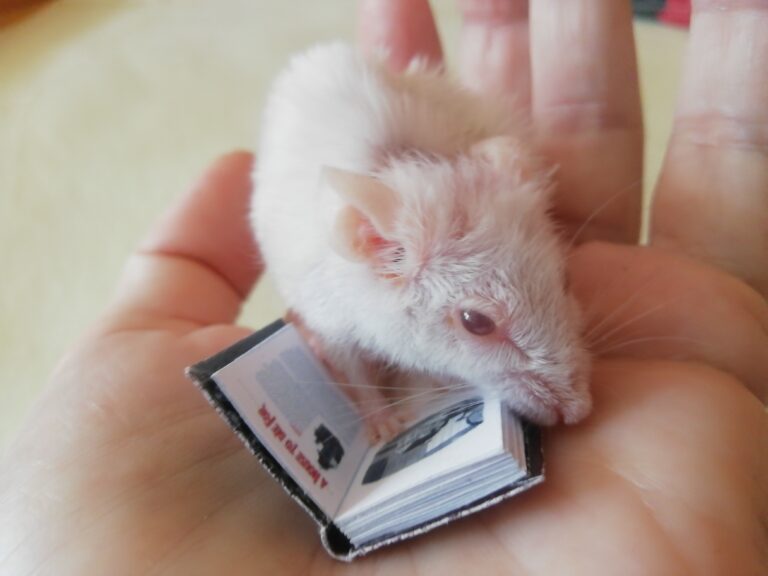
My white mousie, Daisy, "reading" a tiny book

Love Has the Shape of a Mouse

I found her outside on a walk. She was sitting in the grass on the roadside. Her fur was a perfect, startling white. She was happily nibbling on something she held in her tiny paws. I stared at her in awe and then suddenly realized she couldn’t possibly survive outside. I scooped her up before I could think it through, and just like that, I suddenly had a mouse. I didn’t know at the time that she would become my best friend. I didn’t know she would save my life as I saved hers. I didn’t know how much I would love her.