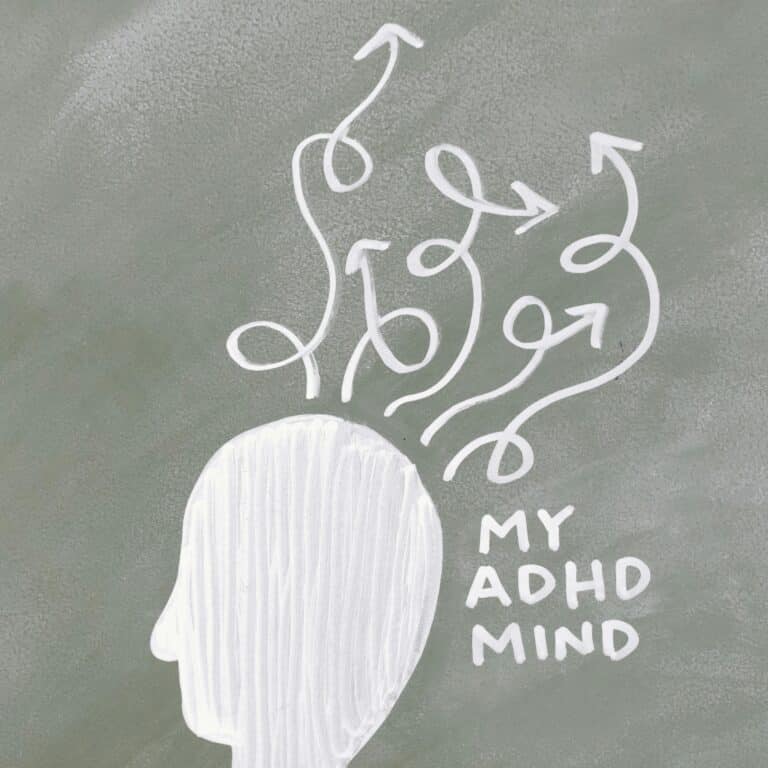
Eating sounds so simple, right? But for us with AuDHD, it can be anything but. ADHD food struggles (1) are real, and they’re more common than you may think. Shopping ingredients, planning meals, deciding what to cook, remembering to eat… This all may seem overwhelming, and you may find it difficult. For many of us, even basic ADHD meal planning feels impossible.
It is pretty common to feel guilt or shame around food when you have an AuDHD brain. Maybe you’ve skipped meals without noticing, lived off snacks for days, or cycled between forgetting to eat and bingeing whatever’s available. Maybe you eat too little or too much. For brains wired for unpredictability, consistent nourishment can feel out of reach. It’s not failure; it’s just part of your wiring.
Disclaimer: This blog is based on personal experience and is not medical advice. Always consult a qualified healthcare professional before making changes to your health, treatment, or medications.
Why is food so complicated when you are ADHD (and autistic)
With ADHD, you might miss or ignore your body’s hunger signals.(2) You might hyperfocus all day and suddenly realize it’s 5 p.m. and you haven’t eaten. Or you might graze nonstop and still feel unsatisfied. This makes traditional ADHD meal planning harder than people think.
Autism can complicate it even more: you can be sensitive to tastes, textures, or have just a few specific safe foods. When you imagine trying something new, it seems daunting. And cooking? Too many steps, too much decision-making.
Here are some other things that get in the way:
Executive dysfunction
You know you’re hungry. You might even want to eat. But your brain can’t seem to move from that knowing to the doing. Thinking about what to cook, picking ingredients, preparing, cooking, cleaning… it all seems too much. This is common for people with ADHD.
Sensory overload
A lot of food can seem unpalatable to your autistic brain. Too chewy, too slimy, too strong smelling… The sound of oil sizzling in the pan or the feel of raw meat can be too much. And sometimes, just thinking about food that was completely fine yesterday suddenly makes you nauseous. ADHD food issues often overlap with autistic sensory needs.
Decision fatigue
Sometimes, you think about what to eat, and nothing comes to mind. Or you have too many choices and are paralyzed by decision fatigue. Planning meals for the whole week like neurotypicals do? This can seem impossible. ADHD food decisions need to be simpler and more accessible.
Hyperfixation & burnout
You eat spaghetti for a week because they are easy to prepare and tasty, and suddenly, even the idea of it makes you feel sick. And you don’t know what else to eat. So you skip a meal or have a meltdown. Burnout can make even microwaving something feel impossible. This is common with ADHD food cycles.
Shame and self-judgment
Maybe you feel bad for skipping meals, for eating too much processed food, or for having cereal for dinner again. This doesn’t exactly help you – it just adds pressure you don’t need. But remember, fed is best. Managing to eat anything at all is still a small win.
Meal planning for the AuDHD brain
“Just plan your meals!” they say. And we laugh (or cry) because for many of us, that kind of structured planning can feel simply impossible. It’s too complicated, too overwhelming, too rigid for our brains that crave spontaneity, novelty, or just a little room to breathe. This is why ADHD meal planning needs to look different.
But this doesn’t mean you can’t plan at all. You just need to do it in a way that doesn’t make your brain scream in panic. Here is what you can try:
1. Start tiny
You don’t need to plan every meal for the week. Start with just one meal a day, like deciding on what you will have for breakfast. Or buying microwave dinners. That’s good enough.
2. Keep a short list of favorites
Create a visual list (on the fridge, in a note app, on a sticky note) of 5–10 meals that are:
- Easy to make
- Sensory-friendly
- You usually enjoy
This way, when you need to decide what to eat, you can just glance at it and pick one of your favorites.
3. Repetition is your friend
It’s okay to eat the same meal every day for a while. Predictability is comfort, and fewer decisions to make save the spoons for other things. If you have a comfort food, feel free to eat it seven days a week. For example, I eat the same thing for breakfast every day – oatmeal with flax seed, sunflower seed, and yoghurt.
4. Plan when your brain is online
Decide what you are going to eat when your mind is clear – when you are not hungry or tired, after you’ve had a coffee, or during a body-doubling session. Not when you’re hangry and overstimulated.
5. Pre-decide when possible
If you can, make tiny future-you decisions, like portioning leftovers into containers right after cooking, or labeling one shelf in the fridge as “grab from here when tired.”
6. Batch-cook your meals
When you are cooking, make ten portions of a meal at once, then freeze most of them. Repeat this every time you are cooking. This way, you will always have a home-cooked meal handy that you can just thaw and eat. Do it often enough and you won’t have to cook more than once a week.
7. ADHD food is sometimes about the setup, not the food
ADHD craves novelty, and sometimes eating is all about the setup. Pick your favorite bowl, use that funny spoon, play music or a podcast to distract yourself enough to eat. (When I was a kid, I didn’t eat unless someone was reading to me.)
ADHD food ideas that don’t require executive functioning
Read tips for easy, quick meals here:
50 Super Easy No-Cook Meals You Can Make in Minutes
Also, a few recipes for vegetarian meals that you can cook in 20 minutes:
3 Quick, Easy, and Healthy Vegetarian Meals for Low-Spoon Days
Tip: ADHD Pasta Hack
Boil pasta. Stir in cottage cheese, butter, and garlic powder. You can add frozen peas if you have them. Creamy, warm, sensory-safe.
When eating feels impossible
There are days when none of this works. If you’re in a shutdown or deep burnout, do what you can:
- Keep your comfort foods handy – things you can eat even when nothing sounds good
- Make snack boxes with grab-and-eat stuff: trail mix, dried fruit and nuts, crackers, mini cheeses
- Liquid meals (like Ensure or protein shakes) count as eating too
Please know: Fed is best, and eating something small, or something unhealthy, or anything at all, is always better than eating nothing. You are not failing. You’re surviving with a brain that makes this hard.
Sources:
(1) https://www.allianceforeatingdisorders.com/adhd-and-eating-disorders/
(2) https://psychcentral.com/adhd/hunger-adhd#adhd-and-eating-habits
Do you want to see more blog posts like this? Subscribe to my newsletter and get them right into your mailbox!
Are you always late?
Grab a copy of my short ebook, Lost in Time: Lifehacks for the Timeblind Mind. It’s ADHD-friendly and filled with actionable tips and advice. Get it here!


Helen Olivier is a neurodivergent writer, AuDHD explorer, and professional overthinker with 40+ years of lived experience in the wonderfully weird world of ADHD + autism. She writes for people who’ve been told they’re “too much” or “not enough,” offering comfort, clarity, and the occasional executive dysfunction survival hack. Her blog is her way of turning daily chaos into useful insights for other neurodivergent folks.
This blog is based on personal experience and is not medical advice. Always consult a qualified healthcare professional before making changes to your health, treatment, or medications.