A woman staring thoughtfully through a glass. The glass shows her reflection.

Bottom-up Thinking In ADHD and Autistic People: Why You Process the World Differently

Some time ago, I saw a Facebook post that asked about the difference between deductive (top-down) and inductive (bottom-up) thinking. Being the curious person that I am, I Googled it – and my mind was blown. Inductive thinking described all the quirks of my learning and creative process, all the ways in which I felt different without being able to explain why. It turns out that neurodivergent people are naturally bottom-up processors, while neurotypicals are top-down thinkers. OMG, where has this information been all my life? 

An assortment of easy-to-prepare foods like cheese, grapes or honey.

50 Super Easy No-Cook Meals You Can Make in Minutes

Are you struggling with the time or energy to cook? Whether you’re looking for quick snacks, light meals, or something to tide you over between meetings, we’ve all been there. Luckily, being hungry doesn’t mean you have to spend hours in the kitchen! In this post, I have gathered 50 super easy, no-cook meal options – half vegetarian and half non-vegetarian – that you can prepare in minutes with minimal effort. These ideas are perfect for busy days, meal prepping, or just when you want to keep things light and fresh. From wraps to salads to sweet treats, there’s something here for every craving. So, let’s skip the stove and get straight to the good stuff. 

A photo of a woman drinking water from a glass.

ADHD, Autism, and Hydration Struggles: How to Make Yourself Drink Your Water

If you are neurodivergent, you may struggle with getting hydrated. Autistic people often have problems with drinking plain water, while people with ADHD can forget to drink enough. Whether you need tips to make drinking water more sensory-friendly, reminders to keep hydration on your radar, or creative alternatives to traditional water, this blog post is here to help. You’ll find here practical strategies designed with neurodivergent needs in mind, from flavor hacks to clever routines. Ready to make staying hydrated easier? Let’s dive in!

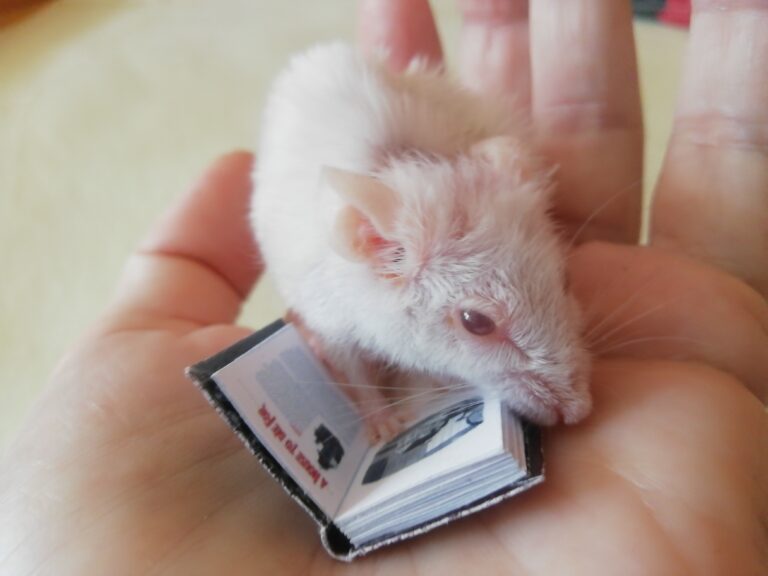
My white mousie, Daisy, "reading" a tiny book

Love Has the Shape of a Mouse

I found her outside on a walk. She was sitting in the grass on the roadside. Her fur was a perfect, startling white. She was happily nibbling on something she held in her tiny paws. I stared at her in awe and then suddenly realized she couldn’t possibly survive outside. I scooped her up before I could think it through, and just like that, I suddenly had a mouse. I didn’t know at the time that she would become my best friend. I didn’t know she would save my life as I saved hers. I didn’t know how much I would love her.

How to calm sensory overload: A photo of a white woman with red hair smelling pink roses on the background of rose bushes.

How to Calm Sensory Overload: Feed and Soothe Your Six Senses

Sensory overstimulation plays a big part in autistic burnout. So, in order to regenerate your nervous system and find your way out of the burnout, you need to pay attention to your sensory input. Your sensory system plays a big role in your well-being, and meeting its needs can help ease the weight of burnout. Here is what you can do to make the world more sensory-friendly (and pleasantly stimulating) to you.

A young woman balancing on a beam.

Science Says Balancing Exercises Can Help Your ADHD Symptoms

I have read a very interesting chapter in the book ADHD 2.0 that suggests that balancing exercises may improve the symptoms of ADHD. Why? Apparently, both physical balance and executive functioning are controlled by a part of the brain called the cerebellum. The cerebellum is a small part of the brain – it takes only 10% of its volume, but it contains a staggering 75% of all neurons of the brain. It has been long known that together with the vestibular system, it controls your balance.

A woman dressed in red, jumping with joy in the middle of the street. She has a big, cheerful smile. The photo has very ADHD energy.

Caffeine Not Working Because of ADHD: A Realistic Guide to Boosting Energy

For most people with ADHD, caffeine doesn’t work as it would for neurotypical people. Instead of a boost of energy, it makes them calm and sleepy. I’m one of those odd ADHDers for whom caffeine works normally. I have asked around and apparntly, it happens. But if you are not one of the fortunate, what to do to get an extra kick when you have stuff to finish? Here are some tips!

When you have time blindness, you lose sense of time and often arrive late. Pictured is an asian woman surrounded wit hands holding an alarm clock

What Is Time Blindness and How to Deal With It

You are running late. You are always running late and you don’t understand why. You woke up extra early, and yet you are late. Again. The stress and shame is eating at you. You desperately WANT to be on time, try to be on time, just to fail every time. People are angry at you. They think you are lazy and disrespectful. They don’t understand that you are angry at yourself too. That you are trying so hard. Everyone around you is able to show up on time, and you are not. Again and again, you try, you promise yourself you will do better, and you fail.

A person, offering two options to choose from: a green apple in one hand, and a donut (with a bite-sized chunk missing) in the other.

You Have Been Thinking About Willpower Wrong

It has nothing to do with character. We often imagine that some people have a lot of willpower, while some have less. We judge people on this basis. That is a terrible oversimplification. The same person has varying amounts of willpower throughout their day and throughout their life. There aren’t weak-willed people, there are just weak-willed periods and moments. Everyone has them. And they don’t mean anything bad. It’s absolutely normal not to have 100% energy and motivation to charge into doing things all the time.