If you’re neurodivergent and sensitive to sounds, everyday environments can often feel overwhelming: voices, background noise, traffic noise, electronics… All of it can stress the nervous system. Devices like Calmer or Loop, two of the most popular neurodivergent earplugs, promise to make this easier. But they do it in different ways.
The links in this blog post are affiliate, which means if you buy through them, I get a small commission at no extra cost to you. Thank you for your support!
Different philosophies: filtering vs. reducing
- Calmer doesn’t aim to turn down the volume. Instead, it reshapes how sound waves enter your ear and smoothes out harsh, high-frequency peaks to make sounds less jarring, while keeping clarity.
- Loop, on the other hand, uses an acoustic filter to actively reduce sound level, lowering overall loudness so that ambient noise, chatter, or music isn’t as intense.
In short: Calmer modifies the quality of sound, Loop reduces the quantity of sound.
What they feel like in real life
Calmer
Using Calmer makes the sharp edges of sound softer. Voices, footsteps, and background hums don’t vanish, but they stop grating on your nervous system. For many neurodivergent and noise-sensitive folks, that translates to less anxiety, better focus, less overwhelm, one reason they remain a popular choice among neurodivergent earplugs.

Pros:
- You stay aware: conversations, signals (like doorbells, traffic) remain audible.
- It’s subtle and non-isolating.
- Good for everyday use: commuting, shops, public spaces, places where noise is present but not extreme
Cons:
- It doesn’t lower the volume dramatically. Loud noises or deep bass droning can still feel too much.
- Effect is subtle — might not be enough if noise is intense or you need real hearing protection
You can buy Calmer here.
Loop
With Loop, the world turns down a notch. Sounds like traffic, chatter, or ambient noise become more distant and less uncomfortable. The reduction in volume can give real relief if you’re easily overwhelmed or overstimulated.
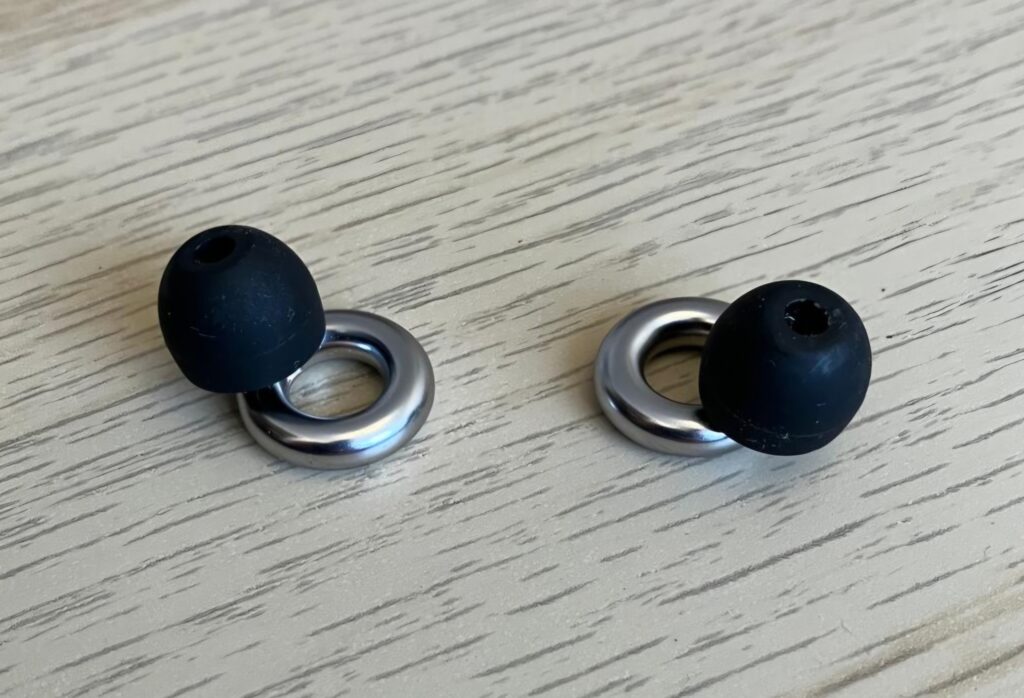
Pros:
- Noticeably quieter, which is useful if you often feel drowned out by background noise
- Helpful when you want to concentrate, travel, rest, or escape sensory overload.
- Good for people with hyperacusis who need lower overall sound levels.
Cons:
- You might feel a bit isolated. Voices and environment become muffled or distant; not ideal if you need to stay alert (traffic, conversations, social context).
- For some, the “plugged ear” feeling is uncomfortable, especially for long use. I personally didn’t love hearing all the internal sounds in my own head.
- They can make tinnitus worse (I can’t use Loop because my tinnitus gets louder while wearing them.)
You can buy Loop here.
My thoughts as a neurodivergent person
Both Calmer and Loop offer valuable tools for sensory self-care, but they serve different needs.
Calmer makes environments less sharp without numbing them. It’s great for daily living: commuting, shops, meeting friends, going about regular tasks, while protecting your nervous system a little. The main benefit for me is that you can hear conversations while wearing them. If you want a gentler soundscape but still stay connected, Calmer is a great tool.
Loop helps when the sounds of the world around you are too much. It offers real sound reduction, quiet, and rest. But it may detach you from your surroundings more, which is not ideal when you need social connection or situational awareness.
For me, someone with sensory sensitivity and also tinnitus, Calmer wins the day, because it doesn’t make my tinnitus worse, and doesn’t cause the weird distortion of hearing the internal sounds in your head as if you were underwater.
But I’m pretty bummed out I can’t use Loop, because they really make sounds quieter and more manageable. A friend bought the pair I have tested and wears them to concerts, and he is pretty happy with them. If you don’t have tinnitus and can get used to the “underwater” feeling, they might be a great option for you!
Final Takeaway
Calmer = daily functioning with less overwhelm
Loop = sensory protection and quiet when you need it most
In the end, both Calmer and Loop offer something valuable, just in different ways. Calmer helps the world feel softer and more manageable without shutting anything out, while Loop gives you the quiet, protective buffer your nervous system sometimes desperately needs.
Many neurodivergent people benefit from having both and switching depending on the situation. Think of them as two different tools in your sensory regulation toolkit.
Most of us don’t live in the same sensory state every day, and having both options means you can support yourself no matter what kind of noise the world throws at you. It’s not about choosing one “right” solution, but about giving your neurodivergent brain the flexibility it deserves.
Are you searching for neurodivergent tools?
Check out also my blog post about ADHD glasses and my review of the Luminette glasses.

Why do ADHD and autistic brains struggle with time? This guide has the answers and tools you need. If you’ve ever looked up and wondered where the entire day went, it was made for your brain. Check it out now!
Want to see more posts like this?
Sign up for my newsletter and get a free copy of the mini-ebook AuDHD Survival Guide: 5 Steps After Your (Self)Diagnosis!



Helen Olivier is a neurodivergent writer, AuDHD explorer, and professional overthinker with 40+ years of lived experience in the wonderfully weird world of ADHD + autism. She writes for people who’ve been told they’re “too much” or “not enough,” offering comfort, clarity, and the occasional executive dysfunction survival hack. Her blog is her way of turning daily chaos into useful insights for other neurodivergent folks.