Why My AuDHD Brain Thrives on Slow Communication (And Yours Might Too)
A long time ago, a women’s pen-pal group popped up in my Facebook suggestions. I…
What does it mean to live with both autism and ADHD? And why can your brain sometimes feel like it’s pulling you in two opposite directions? Explore the realities of being AuDHD, from late autism and ADHD diagnosis to masking, sensory differences, and self-understanding. Through personal experiences, practical insights, and accessible explanations, these articles help you make sense of how your neurodivergent brain works, especially if you’re a late-diagnosed woman trying to understand yourself better.
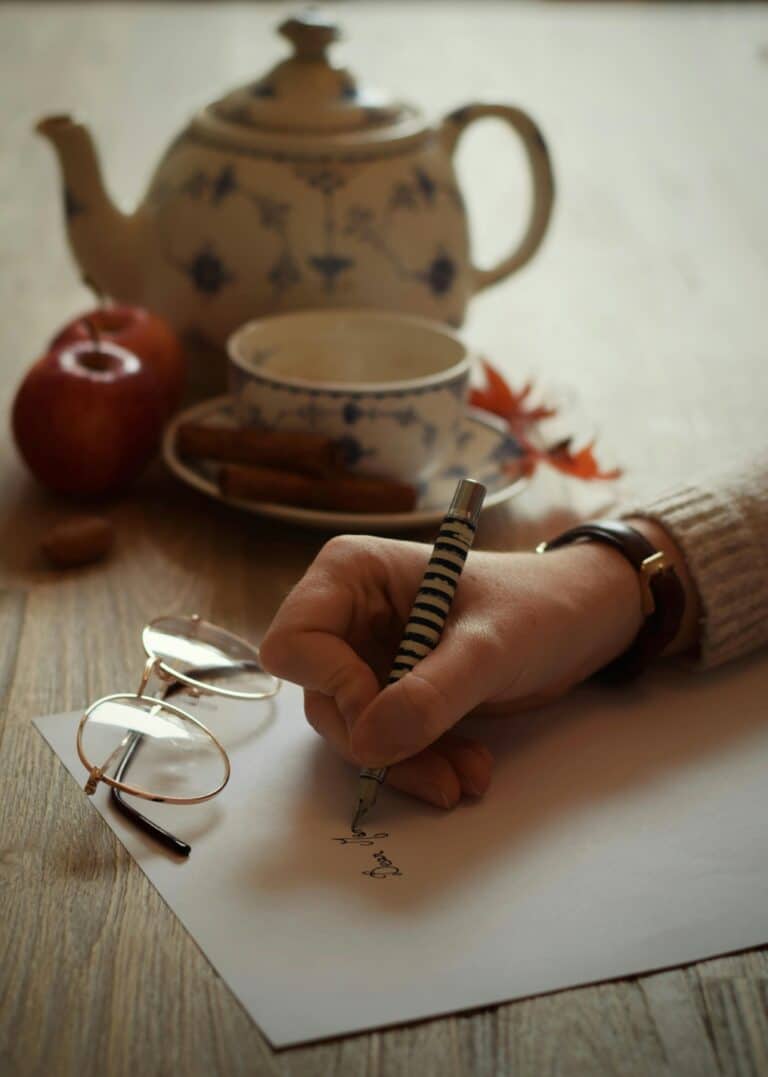
A long time ago, a women’s pen-pal group popped up in my Facebook suggestions. I…

Perhaps you have heard the story about the lady who came on board the tram…

We’re taught to sit still, stay quiet, and behave. But what happens to the part…

Since I was a little kid, creativity was driven by the small sparks of “otherworldly moments” I was experiencing often. It was a half-second of strange, wonderful feelings that seemed beyond this world. Only as an adult have I learned that some of the other people experienced them too. I wanted to share them with other people, to put them into images and words, no matter how imperfectly. I wanted to breathe life into them, to bring them inside this world. To this day, the highest compliment anyone can pay me on my art is that it made them feel.

If you’ve ever gone through the long, stressful, expensive ADHD diagnostic process (or tried to get your child assessed), you know how exhausting it can be. Waiting lists. Endless questionnaires. Interviews. Conflicting opinions. The overwhelming feeling of “Do I really have it, or am I just bad at life?” Now imagine if one day, all it took was a photo of your eye. Sounds like sci-fi? Maybe. But it’s also real science—and it’s happening right now.

Have you ever felt like your brain was wired for a different time? Maybe it picks up patterns no one else sees, or thinks in pictures instead of words? What if some of those traits weren’t just signs of autism, but also echoes of something much older? A new study suggests that some autistic traits might be linked to DNA we inherited from our ancient cousins, the Neanderthals. Yes, really. And it’s giving us a whole new way to understand where our neurodivergence might come from.
This piece is inspired by the famous blog post by sci-fi writer John Scalzi, Being Poor. Every autistic person is different, so while these are the little things from my everyday life, yours may be something else completely. As they say, when you have met one autistic person, you have met one autistic person. But maybe you will see something of yourself in the following lines.
Being autistic is holding your breath when you pass a person on the street so you don’t have to smell them.
Being autistic is pretending that the way you dress is just your style, so intentional, instead of the only clothes you can bear to wear. Pretending that you don’t really want to dress nice.
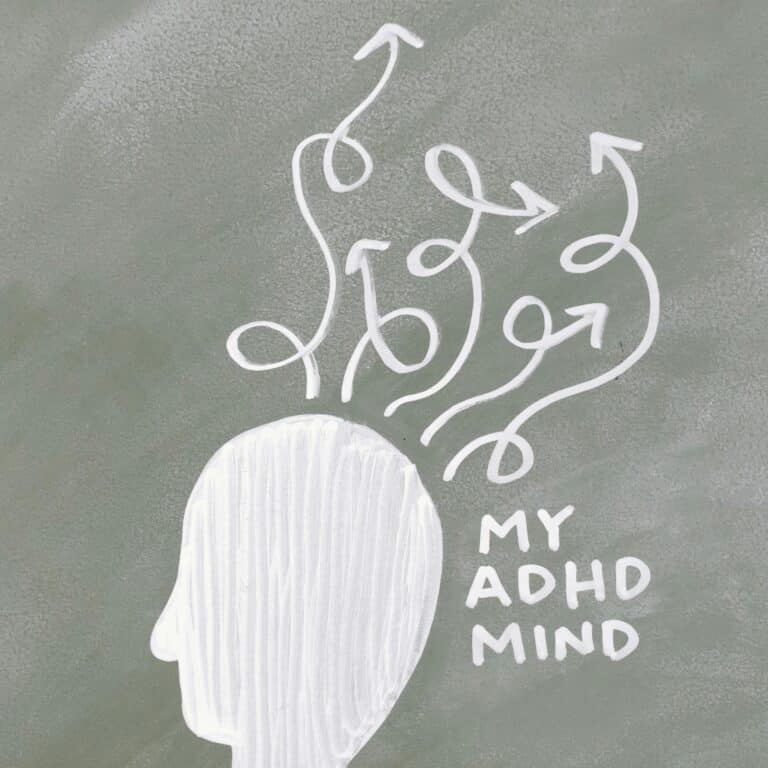
A while ago, I wrote a blog post titled What I Want My Mum to Know About Autism, and it ended up being one of my most-read articles. In it, I tried to give voice to my struggles and my needs, tried to explain the differences. From the beginning, I intended to do something similar for ADHD. I get ADHD from my mother’s side, and she doesn’t understand my autistic side, while the autism I inherited from my dad’s side, and he needs a bit of help with understanding and explaining ADHD. This blog post is not only for my parents, but for every reader who needs the words to explain themselves to their loved ones. You can borrow this blog post to help your family and friends understand and explain ADHD a bit better. So, here goes:

Many women and AFAB who are AuDHD (who have both autism and ADHD) go undiagnosed for years. That’s partly because their traits don’t always match the common stereotypes. The symptoms of AuDHD in women may be concealed by social conditioning, masking, and internalized expectations. Instead of being loud or disruptive, they might be daydreamy, overly helpful, or simply exhausted from trying to keep up. They often adapt, mask, or blend in until burnout, anxiety, or a sense of “something’s off” brings things to the surface. In this post, we’ll take a closer look at what AuDHD can look like in women and why it’s so often overlooked.

I was diagnosed with autism and ADHD on June 18th. I was half expecting the former — it’s the result of several years of very intense soul-searching and contemplating and two years of waiting for a very thorough evaluation. The latter was a complete surprise to me.
When I thought about it before, I thought I would cry about it. I thought I was going to think of it as a big deal. I battled mental illness for my whole life. But this is not “just” an illness anymore, it’s a disability. I would be a disabled person.
This uncomfortable feeling has been fermenting in my head for years, growing in size. For years I have told myself one moment that I was clearly autistic, the next that I clearly couldn’t be, and I freaked out.